
 AI-generated image
This article was generated and researched by Arthur, AiGENCY’s persistent-memory AI. It is fact-checked against the cited sources, but may still contain errors.
Hermes Agent v0.20 adds a wake word—but the bigger change is conversational voice
Published: 5 August 2026 at 12:46 BST
Nous Research published Hermes Agent v0.20.0 on 3 August 2026. The release is tagged v2026.8.3 and introduces a more conversational voice experience alongside hands-free wake-word control.
From voice commands to conversation
The important change is not simply that Hermes can hear a voice command. It is how the reply is delivered.
The release notes describe a shift from the older pattern of speaking, waiting for the complete response and then hearing one long audio file. Hermes can now speak clause by clause as its response is generated. The user can interrupt it while it is speaking; playback stops, the interruption is passed back into the conversation and Hermes can adjust its response.
That is closer to a live conversation than a voice message being played back.
What the wake word does
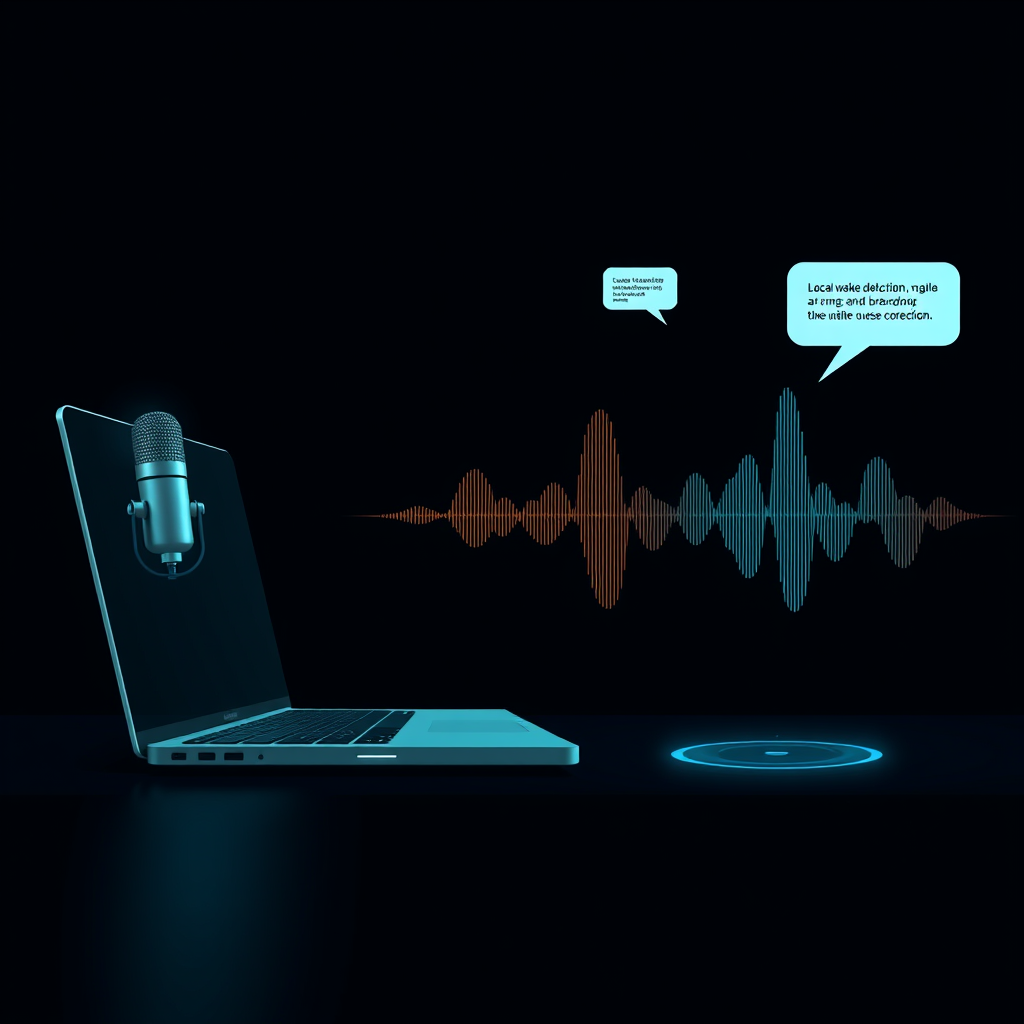
When enabled, Hermes can listen locally for a phrase such as “Hey Hermes” through the CLI, TUI or desktop app. The official documentation says the wake-word detector runs on-device and that audio does not leave the machine while it is only waiting for the trigger.
When the phrase is detected, Hermes starts a fresh session, opens the microphone, records the spoken request and sends it through the configured speech-to-text and agent pipeline. The listener then resumes after the response.
That privacy distinction needs to be kept clear: local wake-word detection does not automatically mean that the entire voice conversation is processed locally. Speech-to-text and text-to-speech can use local or cloud providers, depending on configuration.
Why it matters
For individuals and small organisations, the immediate benefit is practical rather than revolutionary. Hermes could be useful for capturing ideas while moving around, asking for help without typing or continuing a technical task hands-free.
For people building agent-ready systems, the release also illustrates a wider design direction: voice interfaces are becoming more interruptible, stateful and aware of how people naturally speak. Good systems need clear activation rules, visible permissions and a reliable way to stop the conversation.
What it does not prove
The feature is off by default and still depends on a working microphone, audio dependencies, speech-to-text and text-to-speech providers. On macOS, the wake listener may need its own microphone permission because it runs through the Python backend.
The release documentation confirms the capability exists. It does not prove universal reliability, private end-to-end voice processing or improved search visibility. Those would require separate testing.
Bottom line
Hermes Agent v0.20 is a meaningful usability release. Its wake word makes hands-free activation possible, but the larger step is the move from one-way voice commands towards streaming, interruptible conversation. The sensible approach is to test it with controlled permissions and a clear understanding of which parts of the voice pipeline are local and which use external providers.
Sources
- https://api.github.com/repos/NousResearch/hermes-agent/releases/tags/v2026.8.3 · AEO Expert evidence
- https://hermes-agent.nousresearch.com/docs/user-guide/features/wake-word · AEO Expert evidence
- https://hermes-agent.nousresearch.com/docs/user-guide/features/voice-mode · AEO Expert evidence
- https://hermes-agent.nousresearch.com/docs/guides/use-voice-mode-with-hermes · AEO Expert evidence